Strategic Program Areas

Women, Newborn and Child Health & Wellbeing

Improving Health Outcomes for Women, Newborns, Children and Families

6 interconnected areasCommunity-basedChildren aged 0–5

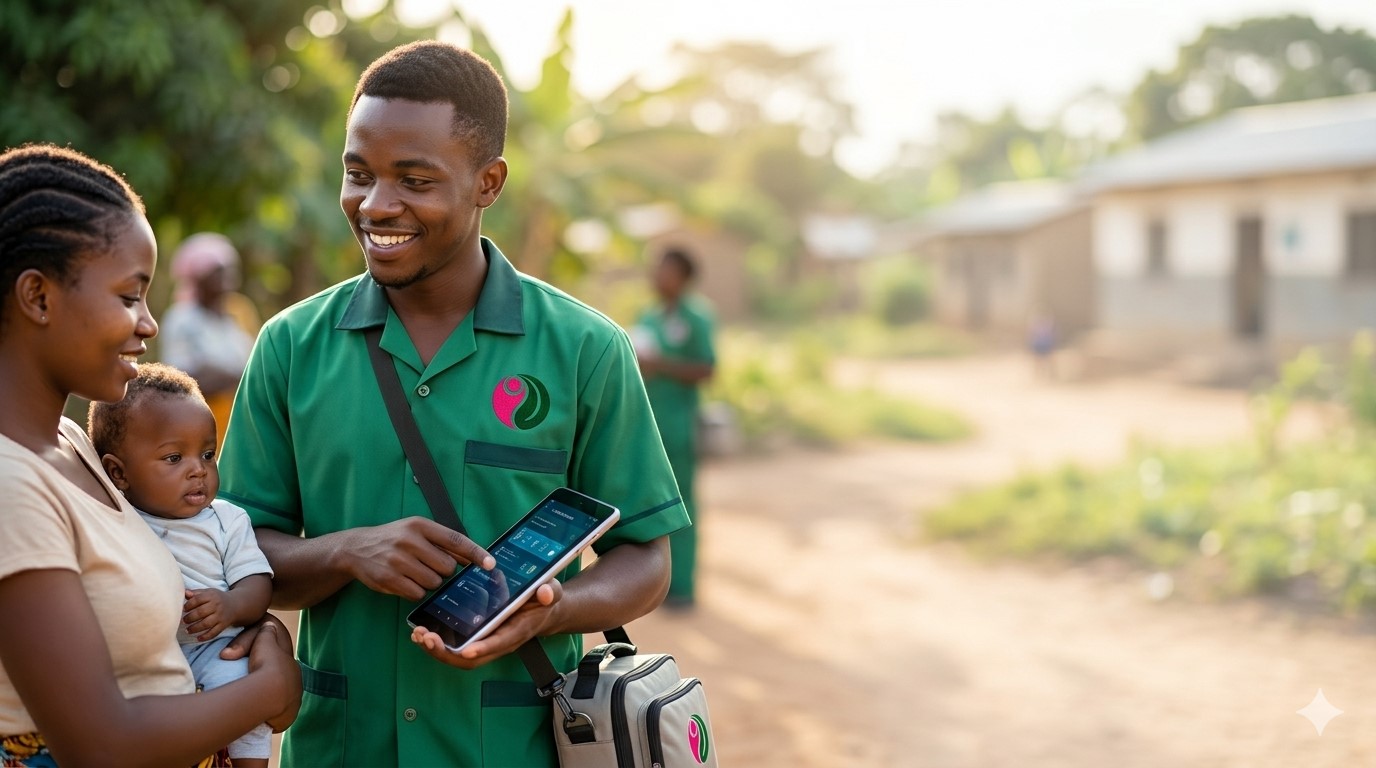
TibaSalama Digital Health Foundation identifies Women, Newborn and Child Health & Wellbeing as a core strategic priority, focusing on reducing preventable maternal and child deaths and illnesses while promoting equitable access to quality, safe, respectful and timely health services. We adopt an integrated, people-centred and community-based approach that connects health services, communities, technology, education and referral systems to address health and social challenges across the continuum of care, from adolescence and pregnancy through childbirth, the postnatal period and early childhood.
Women, Newborn and Child Health & Wellbeing

Our Six Interconnected Areas of Work

01
Maternal, Newborn and Child Health

Including quality maternal and newborn care, child health, immunization, postnatal care and family planning.

02
Nutrition and Early Childhood Development

Promoting maternal and child nutrition, growth monitoring, responsive caregiving and early learning.

03
Adolescent and Sexual & Reproductive Health

Advancing age-appropriate SRHR education, adolescent-friendly services and support for adolescent mothers.

04
Women’s Health, Mental Health and Protection

Addressing cervical cancer prevention, mental health and psychosocial wellbeing, and gender-based violence prevention and response.

05
Community Health Systems and Capacity Building

Strengthening the skills of health workers and Community Health Workers (CHWs), community engagement, early identification of health risks, referrals and continuity of care through appropriate digital solutions.

06
Women’s Economic Empowerment and Family Wellbeing

Supporting women’s livelihoods, entrepreneurship, financial literacy and economic resilience to improve household wellbeing and access to essential health and nutrition services.

TibaSalama believes that reducing preventable maternal and child deaths requires strong communities, skilled health workers, effective referral systems, reliable data and appropriate technology working together. We therefore work closely with Government, health facilities, communities and development partners to strengthen the connection between households and the health system, improve access to essential services and promote evidence-based decision-making, with pregnant women, newborns and children aged 0–5 years at the centre of our interventions.